Best Survey Sites UK: Paid Panels, Surveys for Money and Cash Payouts
The honest framing first. Paid survey work returns somewhere between two and five pounds an hour once screening time is counted, and no panel changes that by much. What separates the best survey sites from the rest is not the rate. It is how often you get screened out after answering six questions, and how long you wait to be paid.
What separates the best survey sites from the best paid survey sites
Four things, in order of how much they matter: the screening rate, the payout threshold, what you get paid in, and the interface. The rate per completed survey is remarkably consistent across panels, which is why comparing advertised rates is close to useless. Any ranking of the best paid survey sites that leads on pence-per-survey is measuring the wrong thing.
How the panels are structured. Individual survey rates vary too much to publish.
| Panel | What you earn | Payout threshold | Worth knowing |
|---|---|---|---|
| Survey Junkie | Points, redeemed for cash or vouchers | Low threshold | Largest of the panels covered here; screening rate is the main complaint. UK access is unconfirmed — read the review before spending time on the sign-up |
| Swagbucks | Points across surveys, offers and cashback | Low threshold | Surveys are one earner among several, which suits some people and annoys others |
| InboxPounds | Cash in sterling, no points conversion | Higher threshold | Sterling accounting is the clearest of the group; the wait to threshold is longer |
| Survey Voices | Referral to other panels rather than its own surveys | Not applicable | A directory, not a panel, worth understanding before signing up |
Surveys for money: what an hour actually returns
Count the screen-outs. A panel advertising £1.50 for a fifteen-minute survey looks like £6 an hour until you include the four surveys you started and were rejected from, which paid nothing. Doing surveys for money is realistically a two-to-five pound hour, and anyone quoting more is either counting only completed surveys or including a sign-up bonus once.
Which makes it a filler activity rather than an income. It works while waiting for something else; it does not work as the thing you sit down to do. If you are looking for the best paid survey sites because you need a specific amount by a specific date, the arithmetic will not get you there. Doing surveys for money is a way of monetising dead time, and the best survey sites are the ones that waste the least of it.
Cash against vouchers, and the threshold that holds it
Panels that pay cash in sterling are easier to evaluate because there is no conversion rate to obscure the value. Points systems are not automatically worse, but the exchange rate is set by the panel and can change, and a voucher is worth face value only if you were going to spend it there anyway.
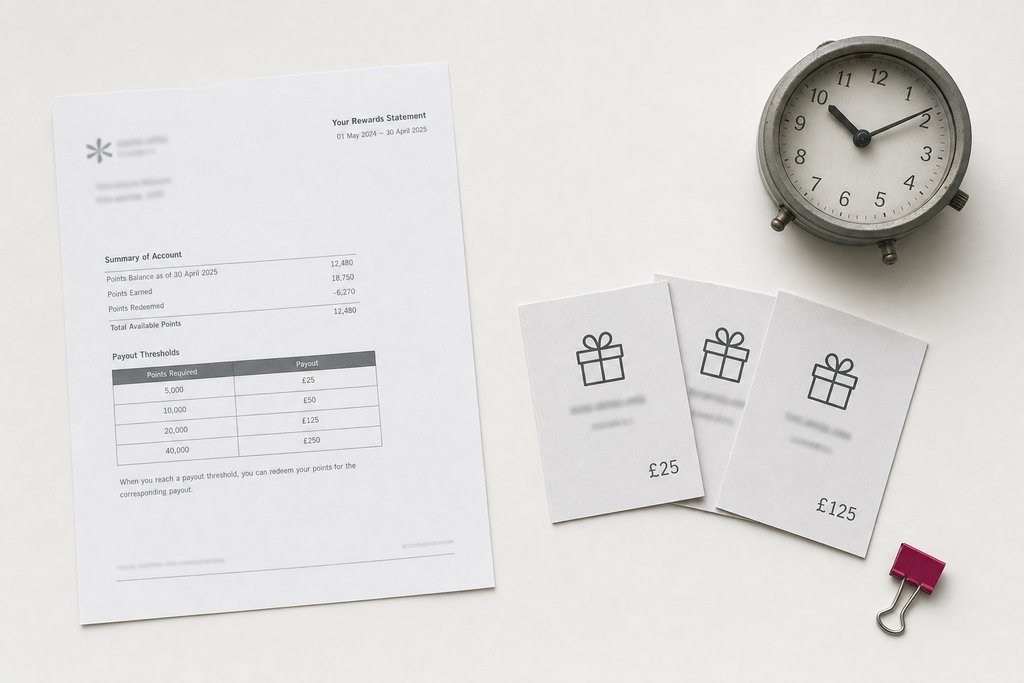
The payout threshold matters more than either. A panel with a £20 threshold and a modest supply of surveys can hold your earnings for months. Online surveys that pay cash at a £5 threshold are worth more per pound earned than a higher-paying panel you never reach the threshold on.
UK availability and why some panels waste your time
A large share of survey supply is written for the US market and screened by country afterwards, which is the main reason UK users get screened out so often. Panels that describe themselves as global and pay in dollars are usually the worst offenders.
The other time sink is the directory site that signs you up to several panels at once and takes a referral fee. It is not a scam and it is not hidden, but it is not a panel either, and knowing which one you are on saves an afternoon. Online surveys that pay cash directly, in sterling, at a low threshold, are the short list worth keeping.
What the panels do with your answers
You are being paid for data, and it is worth being clear-eyed about which data. The survey answers themselves go to the client who commissioned the research, usually aggregated. The more valuable asset to the panel is the profile you build while qualifying: age, household composition, income band, what you buy, what you drive, what you watch.
That profile is why the sign-up questionnaire is so long and why it keeps growing. It is also why panels ask the same demographic questions repeatedly. They are checking consistency as much as gathering it. None of this is hidden, and the panels covered here operate under UK data protection rules, which means you can ask what is held and have it deleted.
The practical advice is narrow. Answer the profile questions honestly, because inconsistency gets accounts flagged and closed with the balance unpaid. Decline the surveys that ask for anything identifying beyond the profile, such as a photograph of a receipt, a phone number, access to a shopping account, because the rate paid never reflects what that is worth.
Frequently asked questions
Which are genuinely the best survey sites in the UK?
The ones with a low payout threshold and a low screen-out rate, which is a different list from the ones with the highest advertised per-survey rate. Sterling-denominated panels avoid a conversion you cannot audit.
How much can I realistically earn?
Two to five pounds an hour, counting the time spent on surveys you were screened out of. Treat any figure above that as excluding the rejections.
Are paid survey panels legitimate?
The established ones pay, and market research is a real industry with a real budget. The failure mode is not theft, it is a threshold you never reach and time you cannot get back.
Do I pay tax on survey earnings?
It is income, so in principle yes, though the trading allowance covers small amounts for most people. At the sums involved here it rarely becomes a question.
Why do I keep getting screened out?
Because the panel checks whether you fit the client’s quota after you have started, not before. Demographic quotas fill fast and country screening removes a lot of UK users from surveys written for elsewhere.
Should I sign up to several panels?
Two or three, yes, because supply at any one panel is uneven. More than that and you spend the time managing accounts and chasing thresholds instead of earning.