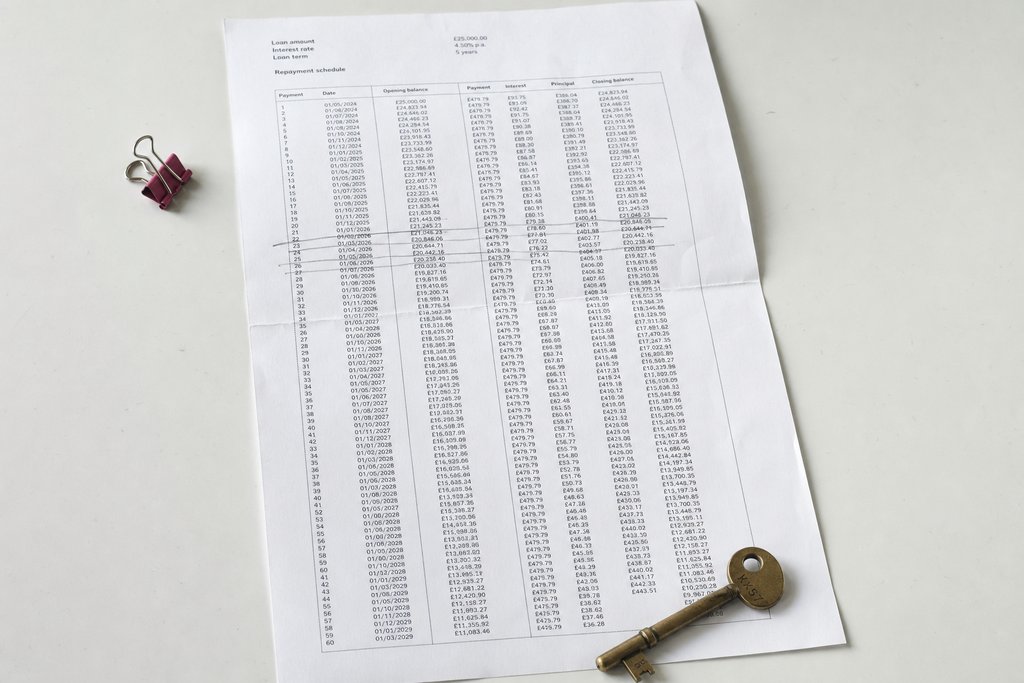
Mortgage Overpayment Calculator: UK Monthly and Lump Sum Interest Saved
An overpayment does two separate things and a mortgage overpayment calculator is only useful if it keeps them apart. It shortens the term, and it cuts the total interest. The second is the number that makes the case; the first is the one people quote.
A monthly overpayment against a lump sum of the same size
They are not equivalent, and the direction of the difference surprises people. A lump sum paid today removes that money from the balance for the whole remaining term, so every month of interest afterwards is calculated on a smaller number. The same amount dripped in monthly spends most of the term still being paid, so it earns less of that effect.
Against that, the monthly route is the one most households can actually sustain, and a mortgage overpayment calculator that only models lump sums flatters a plan nobody follows. This one models the monthly case because that is the decision usually on the table; to check a lump sum, subtract it from the balance and read the interest figure with and without.
What the mortgage overpayment calculator shows about UK interest saved
On £200,000 at 4.5% with 25 years to run, the contractual payment is about £1,112. Adding £150 a month clears the mortgage roughly four years and ten months early. The interest saved is the larger story and it is the figure this overpayment calculator puts in the middle of the three.
Two UK-specific limits sit outside the arithmetic. Most fixed-rate deals cap annual overpayments at 10% of the balance and charge an early repayment fee above it, so check the cap before setting up a standing order. And a lender given no instruction will usually reduce the term rather than the payment, or the reverse, which one you get changes the answer entirely, so tell them which you want in writing. Neither limit is visible in a mortgage overpayment calculator, this one included.
Whether to pay off mortgage early or save instead
The comparison is between your mortgage rate and the rate you can get on savings after tax. Above the mortgage rate, saving wins on the arithmetic; below it, the overpayment does. A pay off mortgage early calculator cannot settle it because the savings side is not in it, so run this alongside the compound interest tool and compare the two totals. Used that way, a pay off mortgage early calculator becomes a comparison rather than a verdict.
What the arithmetic leaves out is the emergency fund. Money put into a mortgage is very hard to get back out, and an overpay mortgage calculator has no field for how close you are to needing it. The usual order is a few months of expenses within reach first, then overpayments. That ordering is a judgement an overpay mortgage calculator cannot make for you, and neither can UK guidance written with somebody else's circumstances in mind.
How your lender applies the overpayment, and when
The arithmetic here assumes interest is calculated daily and the overpayment reduces the balance the day it lands. Most UK lenders now work that way, but a minority still calculate interest annually, and on those the timing of a payment matters enormously: money paid the day after the annual calculation date earns you nothing for almost a year.
There is also a difference between reducing the balance and being credited against it. Some lenders hold overpayments in a separate reserve you can draw back down, which is useful for flexibility and means the interest saving is applied differently. If your account offers a borrow-back facility, read how interest is treated on the reserve before assuming these figures apply.
The practical consequence is a question worth asking before you set up a standing order: is interest calculated daily, and does an overpayment reduce the term or the payment by default? Two answers, both free to obtain, and together they decide whether the interest saved above is the figure you will actually see.
One more timing point. Overpaying in the final years of a term saves far less than overpaying in the first years, because by then most of each payment is capital rather than interest. The same £150 a month is worth several times more at year three than at year twenty, which is the opposite of most people's intuition about paying a debt down.
Frequently asked questions
Does the mortgage overpayment calculator reduce the term or the payment?
The term. It keeps your payment at the contractual amount plus the overpayment and works out when the balance reaches zero. If your lender reduces the monthly payment instead, you keep the same end date and save considerably less interest.
Why is the contractual payment different from the one on my statement?
Because it is calculated from the three figures you entered, not read from your account. Fees added to the balance, an interest-only portion, or a rate that changed partway through will all move the real payment away from this one.
Is there a limit on how much I can overpay?
Usually yes on a fixed-rate deal: 10% of the balance a year is the common cap, with an early repayment charge above it. Trackers and variable deals are often uncapped. The cap is in your offer document, not in this tool.
Does it handle offset mortgages?
No. An offset works by netting savings against the balance rather than by reducing it, and the money stays available. The interest effect is similar, the flexibility is not, and modelling it as an overpayment would understate the point of it.
What about a rate change halfway through the term?
Run it in two passes. Take the years to the change as the first term, then start again with the balance at that point and the new rate. Modelling a 25-year overpayment at today’s fixed rate assumes a fix nobody is offered.
No live mortgage rates are published on this site. The rate field is yours to fill from your own offer or from the lender you are considering.